Butter Bonbon: A Minimalist Sans Serif for Authentic Design
The Essence of Understated Elegance
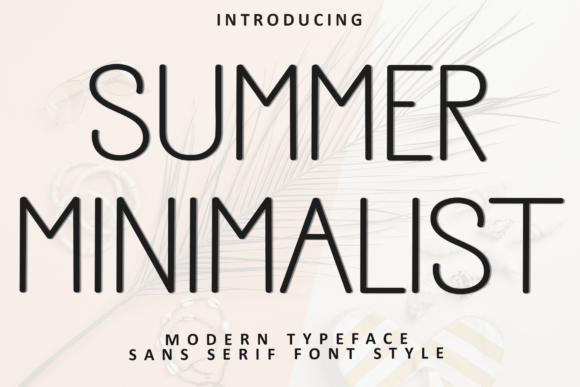
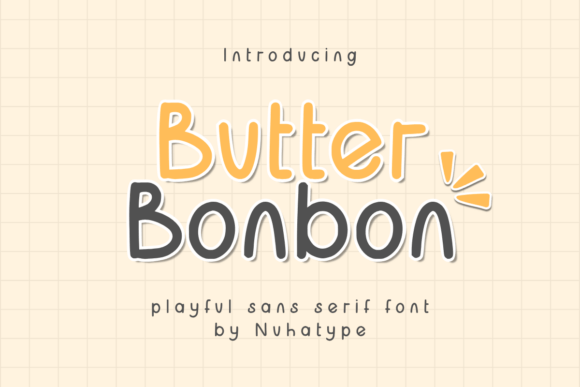
In a design landscape saturated with complex serifs and ornate scripts, finding a typeface that communicates with quiet confidence can be transformative. Butter Bonbon enters the conversation as an elegantly minimalist, thin sans serif font that captures the organic fluidity of natural handwriting. It is not a font that demands attention through sheer weight or decorative flourishes; instead, it earns trust through simplicity and approachability. The visual personality of Butter Bonbon is defined by its clean lines and gentle curves, offering a modern typography solution that feels both personal and professional. It bridges the gap between a structured sans serif font and a warm handwritten font, creating a unique space for designers who value authenticity in their work.
Strategic Applications in Modern Branding
Understanding where a typeface shines is crucial for effective brand identity. Because of its thin stroke weight and legibility, Butter Bonbon is an exceptionally versatile tool for specific niches. It excels in interior design for KDP (Kindle Direct Publishing) and journal creation, where readability on dense pages is paramount. The font does not clutter the visual field, making it ideal for planners, educational materials, and lifestyle content. For crafters and Cricut enthusiasts, its vector-friendly nature ensures that it cuts cleanly, which is vital for stickers, labels, and intricate vinyl work.
- Publishing and Editorial Design: Use it for chapter titles in minimalist book designs or as the primary body text in planners and recipe books.
- Physical Products: It translates beautifully to merchandise like tumblers, mugs, and tote bags. The thin strokes allow the design to feel integrated with the product rather than slapped on top.
- Digital Presence: When used in web design headers or social media graphics, it provides a refreshing breather from bold, aggressive display fonts.
For entrepreneurs and small business owners, selecting a creative font like Butter Bonbon signals a specific brand personality. It suggests a brand that is approachable, detail-oriented, and values simplicity. Unlike heavy, industrial typefaces, this font creates an emotional connection, often associated with boutique brands, artisanal goods, and lifestyle coaching.
Enhancing Readability and Visual Hierarchy
While aesthetics are important, the functional role of a typeface cannot be ignored. Butter Bonbon influences how an audience processes information. Its clean structure aids in rapid reading, particularly in digital environments where screen fatigue is a concern. However, because it is a thin sans serif, designers must be mindful of contrast. It performs best against high-contrast backgrounds—black text on white or light pastel backgrounds—ensuring that the delicate strokes remain distinct.
When building a visual hierarchy, Butter Bonbon often works best as a complementary element. It pairs exceptionally well with a bolder serif font or a heavy sans serif for headlines, allowing the minimalist font to handle supporting text or sub-headings. This contrast creates a dynamic rhythm on the page, guiding the reader's eye naturally from the impactful headline to the easy-to-read body copy.
Practical Integration and Licensing
Before integrating any premium font into a commercial workflow, practical evaluation is necessary. If you are considering Butter Bonbon for your next project, start by examining the included character sets and weights. A robust font family often includes multiple weights (Light, Regular, Bold) which can drastically expand its utility. Check for multilingual support if your audience is international.
For those in the crafting space, specifically those selling physical items like mugs or stickers, verifying the commercial license is non-negotiable. Ensure the font license covers "Print on Demand" or "Manufacturing" if you plan to sell items where the font is embedded in the product design. Butter Bonbon offers a distinct aesthetic that can elevate a standard craft into a professional product, but only when used within the correct legal framework. By respecting the design assets and the licensing behind them, you ensure your business remains sustainable while maintaining high creative standards.