Foxy: The Decorative Display Font That Demands Attention
In a world saturated with standard sans serifs and predictable serifs, finding a typeface with genuine personality can feel like striking gold. Foxy isn't just another font; it's a statement piece. Designed as a stunning decorative display typeface, its entire purpose is to become the visual focal point. Forget blending in—this font is engineered for impact, featuring unique artistic elements and a bold character that immediately sets it apart from the ordinary. If your project calls for a voice that is both confident and creatively distinct, Foxy is a tool worth serious consideration.
Where Foxy Truly Shines: High-Impact Applications
Understanding a font's strengths is key to using it effectively. Foxy excels where brevity and visual punch are paramount. Think of it as the headline act, not the supporting player. Its all-caps, decorative nature makes it ideal for specific, high-impact scenarios across various creative fields.
- Bold Headlines & Titles: Use Foxy for magazine covers, blog post headers, poster titles, or chapter openers in a book. Its strong visual weight immediately draws the reader's eye to the most important message.
- Artistic Logos & Wordmarks: For brands in creative industries—boutiques, artisanal products, studios, or events—Foxy can form the core of a memorable logo. Its distinctive style helps build instant brand recognition.
- Creative Packaging Design: On product labels, boxes, or shopping bags, Foxy can communicate luxury, creativity, or a playful edge. It works particularly well for cosmetics, gourmet foods, or handmade goods where shelf appeal is critical.
- Editorial & Social Media Graphics: Need a quote graphic for Instagram or a pull-quote in a digital magazine? Foxy transforms simple text into shareable, eye-catching content that boosts engagement.
Its versatility lies in this focused application. While it's a premium font with professional polish, its true value is unlocked when used strategically for display purposes, not for running body text.
The Practical Guide to Using Foxy in Your Projects
Adopting a new display font like Foxy requires a thoughtful approach. Here’s how to integrate it effectively into your design workflow and projects.
Evaluating Project Fit and Readability
First, acknowledge the important note: Foxy is an ALL-CAPS typeface. This is its defining feature and its primary limitation. It is not designed for paragraphs or small, detailed text. Before choosing it, ask: Does my project need a powerful, decorative header or a readable block of information? For the former, Foxy is perfect. For the latter, you'll need a complementary sans serif font or serif font for body copy.
Readability is about context. At large sizes, Foxy's artistic details become clear and engaging. At small sizes, those same details can become muddy and hard to decipher. Always test it at the intended output size, whether for a web design banner or a printed brochure.
Mastering Font Pairing for Balance
The key to professional modern typography is contrast. Foxy, with its strong personality, needs a calm, neutral partner. Avoid pairing it with another highly decorative script font or handwritten font, as this creates visual chaos.
Instead, pair Foxy with a clean, geometric sans serif font for a contemporary, bold look. For a more classic, editorial feel, combine it with a traditional serif font. The goal is to let Foxy command attention in the headline while its partner ensures clarity and readability in the supporting text. This contrast strengthens visual hierarchy and makes your overall design more professional.
Leveraging the Files for Your Workflow
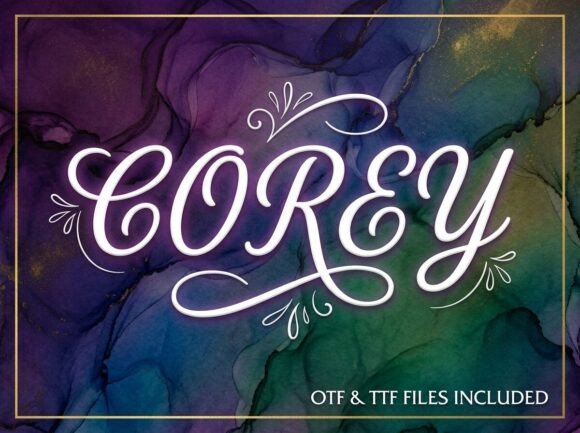
You'll receive both OTF and TTF files, covering all bases. The OTF file (OpenType Font) is the professional's choice, offering advanced typographic features and superior compatibility with design software like Adobe Creative Suite. The TTF file (TrueType Font) ensures universal compatibility across all devices and operating systems, which is crucial for projects that will be used in office software or by clients without specialized design tools. Having both means Foxy is ready for any environment, from logo design in Illustrator to a presentation in PowerPoint.
Considering Commercial Use and Brand Consistency
Always review the license that accompanies your purchase. For entrepreneurs and small business owners, understanding the commercial font license is essential. It typically covers use in logos, websites, and printed materials for your own business or for clients, but specifics can vary. Using a font correctly ensures your brand identity remains legally sound.
Once you adopt Foxy as part of your brand's design assets, use it consistently. Apply it to the same types of elements across all touchpoints—your website headers, social media profile graphics, and marketing collateral. This consistency builds recognition and reinforces your brand's unique personality, making it more memorable to your audience.
Final Thoughts on Making Foxy Work for You
Foxy is more than just a creative font; it's a tool for differentiation. Its power lies in its ability to inject energy and artistry into a project instantly. The most successful uses of such a typeface come from understanding its role: to be the star of the show in specific, high-visibility applications.
Use it to create a captivating packaging design that stands out on a digital shelf or a physical one. Let it define the tone of your editorial design with striking section headers. Employ it in social media graphics to stop the scroll. When paired thoughtfully and used within its strengths, Foxy can elevate your work, enhance audience engagement, and give your brand a distinct, polished voice that truly feels, well, foxy.