Invention: A Handwritten Font for Authentic Design
Understanding the Invention Typeface
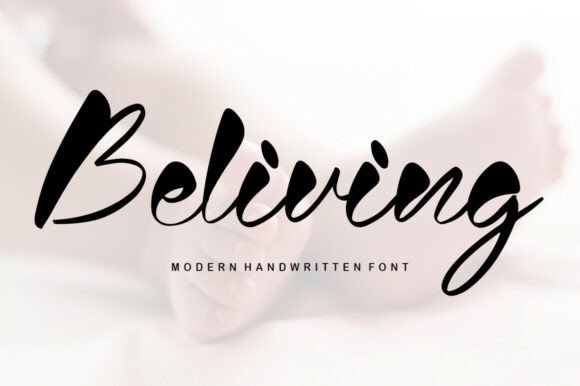
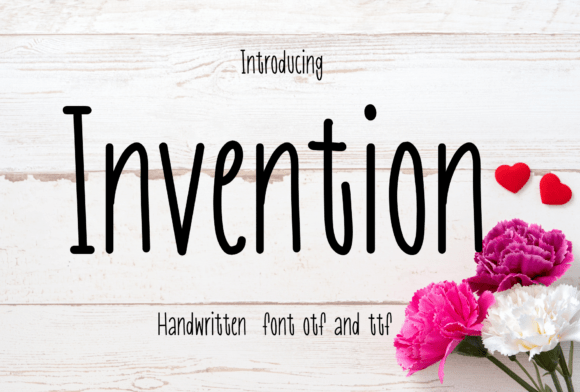
In the world of design, a font is more than just letters; it's a voice. The Invention typeface speaks with a distinct, friendly, and authentic tone. It’s a handwritten font that captures the organic feel of real penmanship without sacrificing clarity. Unlike many script fonts that can feel overly formal or difficult to read, Invention strikes a perfect balance. Its slightly quirky lines and slim silhouette give it a playful, approachable personality, making it an excellent creative font for projects that need a human touch. The design avoids the common pitfall of looking like a generic digital script, instead offering a genuine "homemade" character that resonates on a personal level.
From a technical standpoint, Invention is a premium font delivered in OTF and TTF formats. It includes a full uppercase and lowercase alphabet, numbers, and punctuation, providing the essential toolkit for diverse design tasks. A key feature is its PUA encoding, which ensures full accessibility in a wide range of software, from professional suites like Adobe Illustrator, Photoshop, and InDesign to more common applications like Microsoft Word. This makes it a versatile design asset for both seasoned designers and hobbyists. The clean yet whimsical style ensures it remains legible at various sizes, a crucial consideration for any font intended for both digital and print applications.
Where Invention Finds Its Voice: Practical Applications
The true value of a typeface lies in its application. Invention’s strength is its remarkable adaptability across a spectrum of projects. In the realm of branding and logo design, it can soften a brand’s image, making a small business feel more accessible and customer-centric. Imagine a bakery’s logo or a children’s boutique’s signage using Invention; it immediately communicates warmth and care. For packaging design, especially for artisanal or handmade goods, this font can elevate the product's perceived authenticity.
For marketing and social media graphics, Invention is a powerhouse. Its friendly style is ideal for creating engaging quotes, stories, and promotional posts that stand out in a crowded feed. It works beautifully for editorial design in magazines or blogs, particularly for pull quotes, headers, or section titles that need a personal, conversational feel. The font is also perfectly suited for personal projects that demand a heartfelt touch: think Mother’s Day cards, gift tags, wedding invitations, or bullet journaling. Its compatibility with tools like Cricut machines also makes it a go-to for T-shirt printing and other crafting endeavors. For children’s book illustrations or nursery decor, its playful lines can add a layer of whimsy and delight.
Integrating Invention into Your Design Workflow
Choosing a font like Invention is just the first step. The next is integrating it effectively. A common question is how to pair it. Because Invention is a display font with a strong personality, it works best when paired with a more neutral companion. A clean sans serif font for body text or a simple serif font for longer copy creates a balanced visual hierarchy. For example, using Invention for a headline and a font like Lato or Open Sans for the supporting text allows the handwritten style to shine without overwhelming the reader. This principle is fundamental in modern typography—using contrast to create interest and guide the eye.
When evaluating if Invention is the right fit for a project, consider the brand identity or message you want to convey. It excels in contexts where friendliness, creativity, and a personal connection are key. For projects requiring strict formality or a high-tech feel, a different typeface would be more appropriate. Always test the font in your specific design context. Check its readability at the sizes you intend to use, especially for body copy. Review the included styles to ensure you have the necessary glyphs for your project. Finally, for any commercial use, it’s a professional best practice to confirm the commercial licensing is appropriate for your needs, ensuring your design assets are fully compliant. By thoughtfully applying Invention, you can add a layer of genuine personality that helps your work connect more deeply with its intended audience.