Vintage Stache: The Sketch-Style Dingbats Font for Unique Projects
When you're working on a project that needs personality, a standard typeface often falls short. You need something with character, a visual voice that speaks before the words are even read. This is where a specialized asset like Vintage Stache enters the conversation. It’s not just a font; it’s a collection of hand-drawn, sketch-style dingbats designed to inject a distinct, retro-inspired charm into your work. Think of it as a toolkit of visual flourishes, perfect for adding that final, personal touch that makes a design memorable.
Understanding the Sketch-Style Appeal
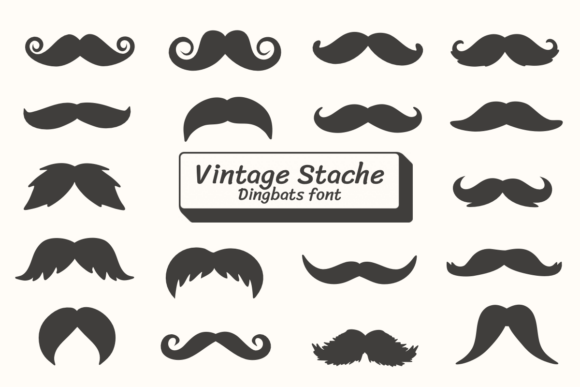
At its core, Vintage Stache is a dingbats font. For the uninitiated, dingbats are fonts where each character (like a letter or number) is mapped to a small picture or symbol instead of a traditional glyph. In the case of Vintage Stache, these symbols are rendered in a sketch style. This means each icon has the organic, slightly imperfect quality of a pencil or pen drawing. You’ll find mustache motifs, vintage banners, decorative arrows, ornate frames, and other retro-inspired illustrations. The visual personality is one of nostalgia, craftsmanship, and warmth. It avoids the cold precision of digital art, offering instead a human, tactile feel that resonates with audiences looking for authenticity.
This creative font excels in projects where you want to convey a sense of history, handmade quality, or playful sophistication. It’s a far cry from the sterile lines of a modern sans serif font, and it complements rather than competes with more traditional serif font or script font choices. Its strength lies in its ability to act as a visual accent, a design element that frames and enhances your primary message without overwhelming it.
Where Vintage Stache Truly Shines
Practical application is what separates a good design asset from a great one. Vintage Stache finds its home in a surprisingly wide array of projects, thanks to its versatile yet focused aesthetic.
Branding and Logo Design
For logo design, especially for brands in the artisanal, grooming, coffee, barbershop, or vintage retail spaces, Vintage Stache offers immediate visual shorthand. A single, well-chosen dingbat can become a recognizable brand mark or a secondary logo element. Imagine a craft brewery using a vintage banner dingbat to frame its name on a label, or a bespoke tailor incorporating a mustache icon into its letterhead. This use of a premium font as an illustrative element helps build a cohesive brand identity that feels curated and intentional.
Print and Editorial Projects
In editorial design and packaging design, these sketch-style icons are invaluable. They can serve as decorative dividers in a magazine layout, spot illustrations in a cookbook, or charming icons on a product’s hang tag. For wedding invitations—a classic use case—the font’s motifs add a layer of bespoke elegance. They work beautifully as corner decorations, section breaks, or to highlight key information like the date or venue. The hand-drawn quality ensures the final piece feels personal and crafted, not mass-produced.
Digital and Social Media
The digital realm is equally fertile ground. For web design, Vintage Stache icons can enhance user interface elements, stylize bullet points in a sidebar, or add visual interest to a blog post about vintage culture. In social media graphics, they are perfect for creating eye-catching Instagram stories, Pinterest pins, or Facebook posts. A quick sketch-style arrow can point to a call-to-action, a decorative frame can highlight a testimonial, and a themed icon can reinforce a post’s topic. This kind of font pairing—using a dingbat alongside a clean body text font—creates visual hierarchy and stops the scroll.
Personal Crafts and DIY
Beyond professional use, the font is a treasure trove for hobbyists and crafters. It’s ideal for creating custom stencils for wood signs, designing unique scrapbooking elements, or personalizing party decorations. The ability to type a symbol and cut it out with a craft cutter (like a Cricut or Silhouette) makes it a powerful tool for DIY and crafts. The handwritten font style feels right at home in these personal, hands-on projects.
Integrating Vintage Stache into Your Workflow
Adopting any new design asset requires a bit of strategy. Here’s how to think about using Vintage Stache effectively.
Evaluating Project Fit and Readability
First, assess if the sketch-style aesthetic aligns with your project’s goals. It’s a poor fit for a cutting-edge tech startup or a formal corporate report, but it’s perfect for anything needing a touch of warmth, whimsy, or retro flair. Remember, as a display font of icons, its primary role is decorative. Readability isn’t about reading words, but about the clarity of the symbol itself. Always check that the icons render crisply at your intended size, whether on a business card or a billboard.
Mastering Font Pairing and Hierarchy
The true power of Vintage Stache is unlocked through smart font pairing. It should rarely be used for body text. Instead, pair it with a highly readable font for your main content. A clean, geometric sans serif font like Montserrat or Lato can provide a modern contrast. A classic serif font like Garamond or Playfair Display can create a timeless, elegant feel. The dingbats act as visual punctuation, guiding the eye and creating focal points. Use them to establish a clear visual hierarchy, separating sections or highlighting key details without relying solely on bold or italic text.
Practical Considerations: Styles and Licensing
Before purchasing, review what’s included. Does the typeface come with multiple weights or styles of icons? Are there variations in the sketch texture? More options give you greater flexibility. Most importantly, understand the commercial font licensing. If you’re using it for client work, merchandise, or products for sale, you need a license that permits commercial use. Reputable font foundries are clear about this, ensuring you can use the asset professionally and ethically.
In the end, a font like Vintage Stache is about adding a layer of thoughtful detail. It’s a tool for storytellers, designers, and makers who understand that the small things—the right icon, the perfect flourish—often make the biggest impact. It doesn’t replace your core typography; it elevates it, providing that final sketch of personality that makes a project truly yours.